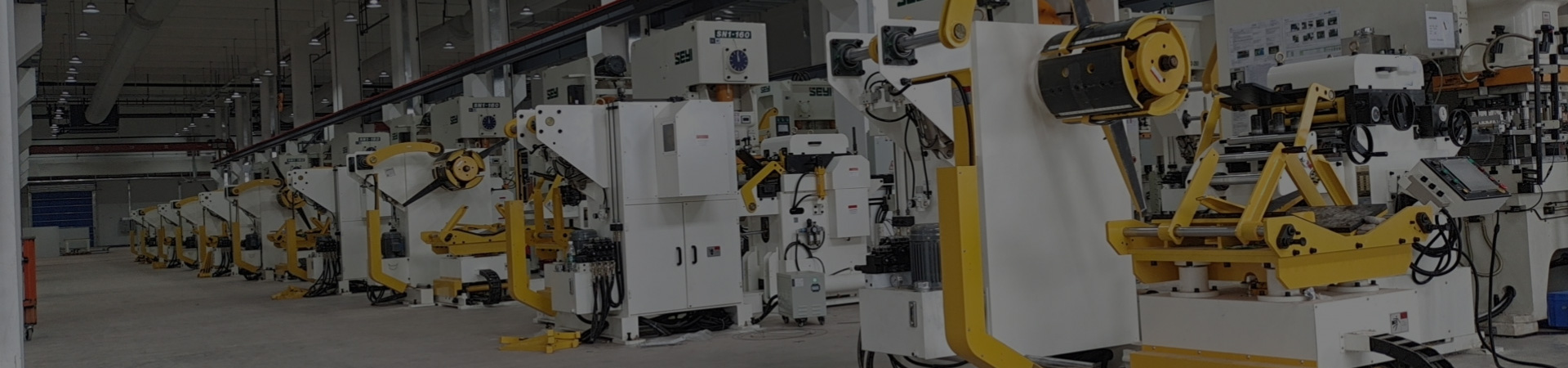
How SUNRUI High-Capacity Coil Feed Lines Power New Energy Vehicle Stamping
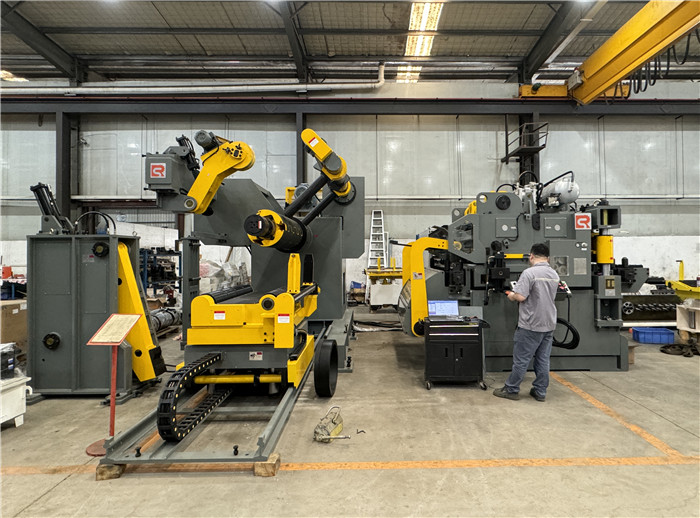
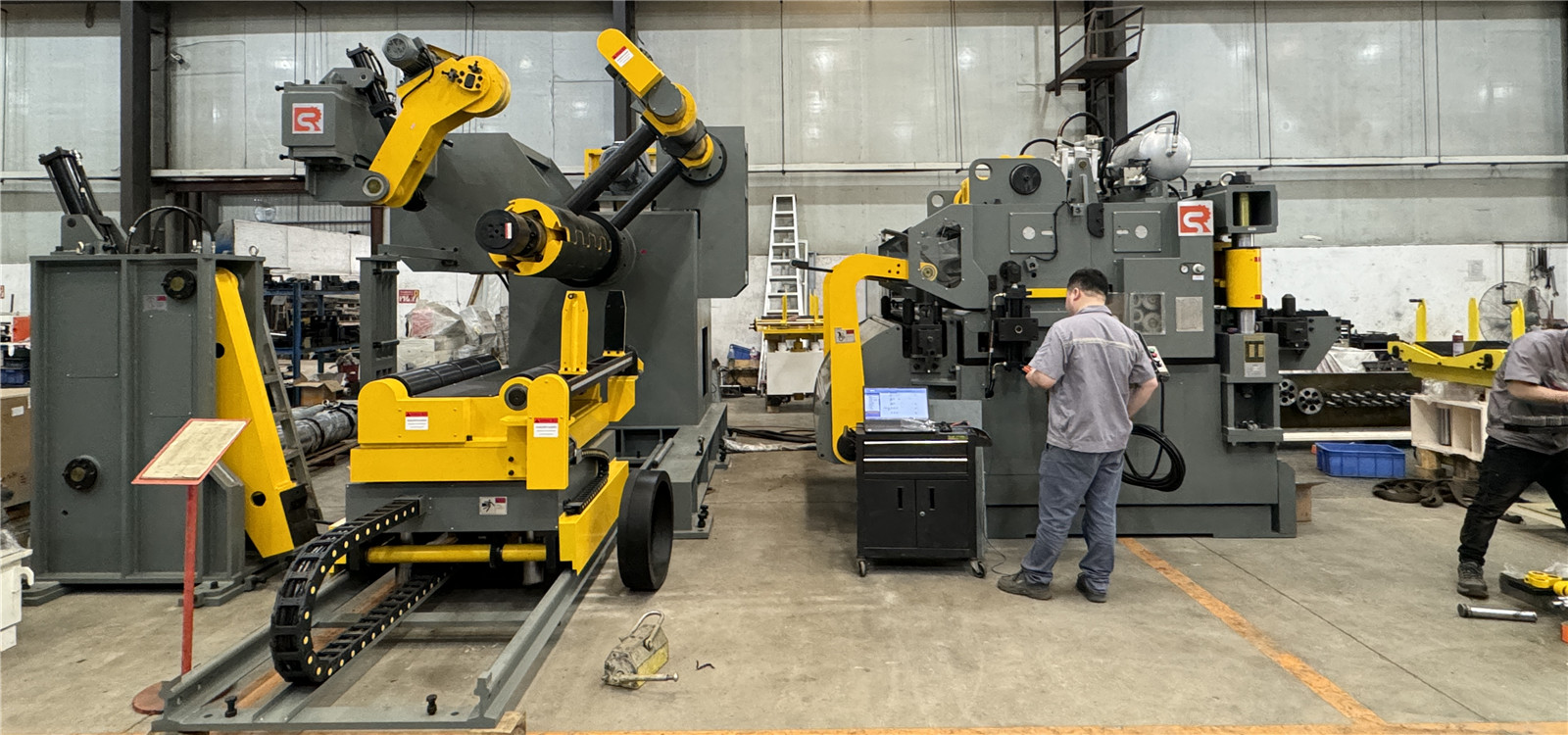
The explosive growth of the new energy vehicle (NEV) industry has transformed manufacturing priorities. To meet demands for lightweight design, complex part geometries, and mass production, stamping processes require unprecedented levels of precision, speed, and uptime. SUNRUI high-capacity coil feed lines are engineered as the foundational solution, enabling manufacturers to handle wide, heavy coils (up to 1600mm wide and 15 tons) with minimal downtime. This article explores how optimizing the material feeding stage directly addresses the core challenges of NEV component production, leading to enhanced productivity, reduced costs, and greater supply chain reliability.
The Critical Link: Coil Feeding and New Energy Vehicle Stamping Success
The transition to electric vehicles isn't just about batteries and motors; it's a complete re-engineering of manufacturing. The stamping of components like battery casings, motor housings, and structural body parts presents unique hurdles that start with the very first step: material handling.
The existing content does a good job outlining general NEV stamping requirements, but it can be sharpened into a direct problem-solution framework. Let's analyze the key pain points and how a high-performance feed line solves them:
| NEV Stamping Challenge | Consequence of Inadequate Feeding | SUNRUI Coil Feed Line Solution |
|---|---|---|
| Lightweighting with High-Strength Materials | Thinner, stronger materials (e.g., advanced high-strength steel, aluminum alloys) are prone to scratching, deformation, and inconsistent feed if not handled precisely. | Precision straightener with adjustable rollers ensures perfect flatness. Servo-driven feeder provides gentle, accurate feed to protect material integrity. |
| Mass Production & High Uptime Demands | Frequent coil changes for smaller coils cause massive production stoppages, killing Overall Equipment Effectiveness (OEE). | High capacity (15-ton coils) dramatically reduces changeover frequency. An efficient coil car system minimizes the time spent on each change. |
| Complex, Precision Part Geometries | Inconsistent feed length or material tension results in mis-strikes, part defects, and wasted expensive material. | Advanced CNC servo control system guarantees feed accuracy within fractions of a millimeter, essential for complex progressive dies. |
| Rapid Market Expansion & Flexible Production | Lines must adapt to varying production runs and part designs quickly. Rigid, manual systems cause long setup times. | Versatile design handles a wide range of widths and materials. User-friendly control system allows for quick storage and recall of job parameters. |
Deep Dive: The Five Pillars of a SUNRUI High-Capacity Feed Line
A coil feed line is a synchronized system. Each component in the SUNRUI ecosystem plays a critical role in achieving the seamless efficiency required for NEV production.
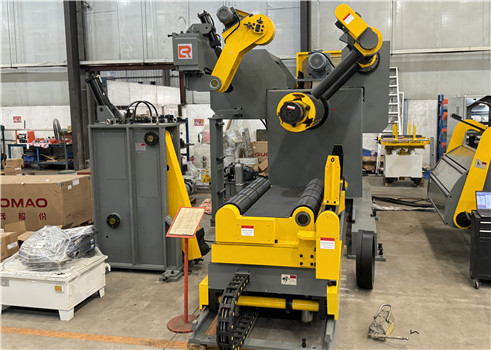
1. Heavy-Duty Coil Car: The Foundation of Uptime
Function: Securely holds and unwinds the coil with controlled tension.
NEV Benefit: Prevents coil collapse or surface damage on premium, often pre-coated, materials used in EVs. Consistent tension is the first step toward a stable, predictable stamping process.
Function: Securely holds and unwinds the coil with controlled tension.
NEV Benefit: Prevents coil collapse or surface damage on premium, often pre-coated, materials used in EVs. Consistent tension is the first step toward a stable, predictable stamping process.
3. Precision Straightener: Ensuring Perfect Flatness
Function: Precisely advances the material a set distance into the stamping press with each cycle.
NEV Benefit: This is where precision is quantified. SUNRUI's servo technology achieves feed accuracies of ±0.03mm or better. For intricate lamination stacks or safety-critical structural parts, this repeatability is non-negotiable.
Function: Precisely advances the material a set distance into the stamping press with each cycle.
NEV Benefit: This is where precision is quantified. SUNRUI's servo technology achieves feed accuracies of ±0.03mm or better. For intricate lamination stacks or safety-critical structural parts, this repeatability is non-negotiable.
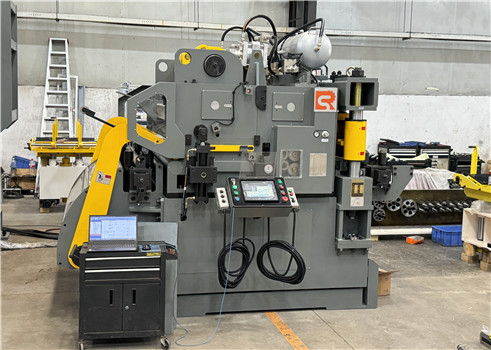
Function: The centralized PLC/HMI that coordinates all components, stores job recipes, and provides diagnostics.
NEV Benefit: Enables data collection for predictive maintenance and process optimization. It turns a mechanical line into an intelligent asset that contributes to overall manufacturing intelligence.
Tangible ROI: From Technical Specs to Business Results
Investing in a high-capacity feed line is justified by concrete business outcomes that resonate with financial and operational decision-makers:
Boost Overall Equipment Effectiveness (OEE): Reducing coil changeover time by 70% or more directly increases the press's productive running time. This is the single biggest lever to increase output without adding a new press.
Slash Material Waste: Precise feeding and handling minimize scrap from mis-feeds, coil edge damage, and trial runs. When processing expensive aluminum or specialized steels, even a 1-2% reduction in waste delivers significant annual savings.
Future-Proof Your Operation: A line built for 1600mm width and 15-ton weight has the built-in capacity to handle future, larger-scale part designs, protecting your capital investment as EV platforms evolve.
Enhance Supply Chain Flexibility: The ability to run larger coils means fewer purchases and material handling events, simplifying logistics and reducing vulnerability to supply chain disruptions.
Conclusion: Building the EV Future on a Foundation of Precision
The race in new energy vehicle manufacturing is won on efficiency, quality, and scale. While attention often focuses on the stamping press itself, the coil feed line is the critical enabler that determines the ceiling of that press's performance. By ensuring a continuous, precise, and reliable flow of material, SUNRUI high-capacity coil feed lines empower manufacturers to meet the stringent demands of EV component production head-on. They transform the material handling stage from a necessary utility into a strategic advantage, driving down cost per part and accelerating the industry's transition to a sustainable future.